The Celebration of Cake
Cake holds a special place in moments of joy. From birthdays to weddings, it has become a centerpiece of gatherings, symbolizing more than just sweetness—it represents togetherness.
The tradition of cake stretches back centuries, with roots in ancient recipes that have since evolved into the light, layered creations we see today. Each culture has shaped it in its own way, adding unique touches and flavors.
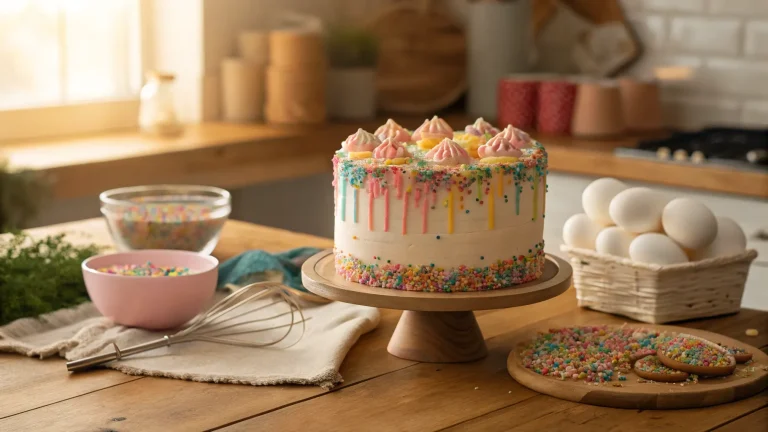
Part of cake’s charm lies in its versatility. It can be as simple as a single sponge with frosting or as elaborate as a towering creation adorned with intricate designs. Each version finds its audience.
Cake has always been tied to rituals of celebration. The cutting of a cake often marks a moment worth remembering—a milestone, a promise, or a shared achievement. It becomes a marker of time as much as a dessert.
The act of baking a cake carries significance as well. Mixing, folding, and layering create more than food—they build anticipation. The kitchen fills with aromas that signal something delightful on the horizon.
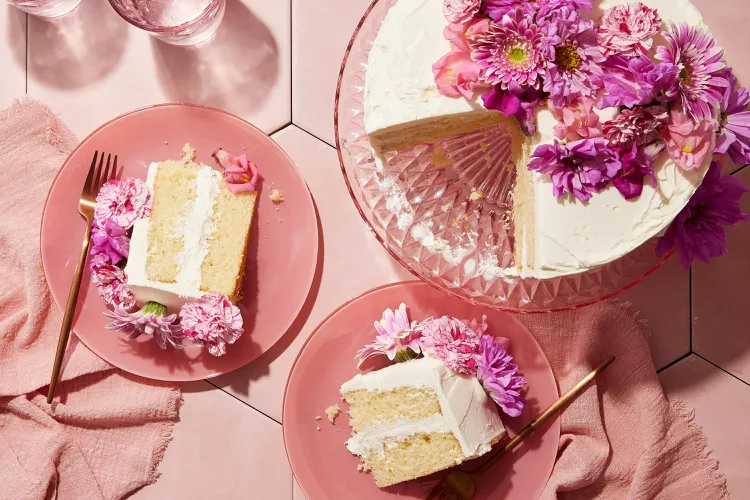
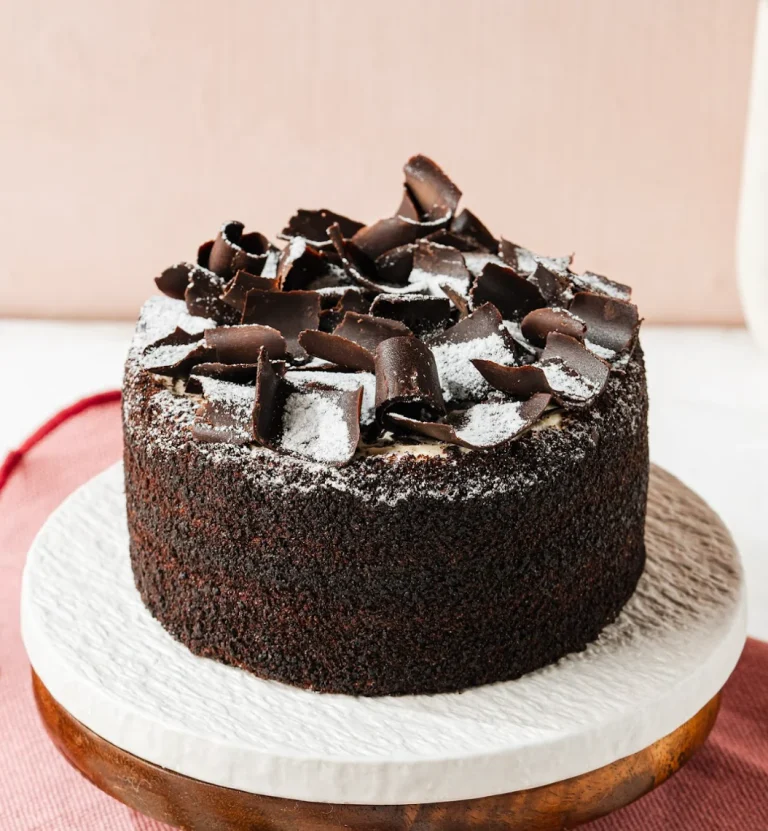
Flavors of cake are nearly endless. Chocolate, vanilla, fruit-filled, nut-studded, or spiced with warmth—each slice offers a chance to explore a new expression of sweetness.
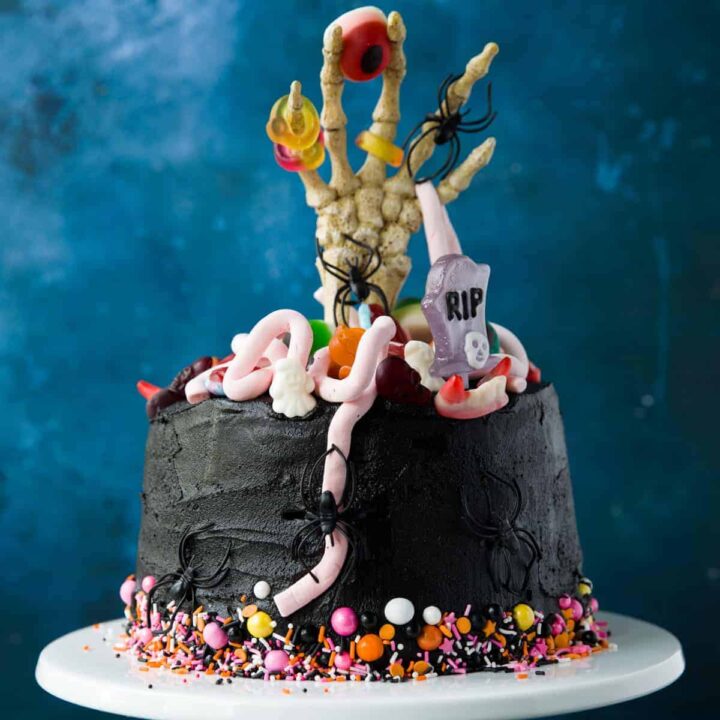
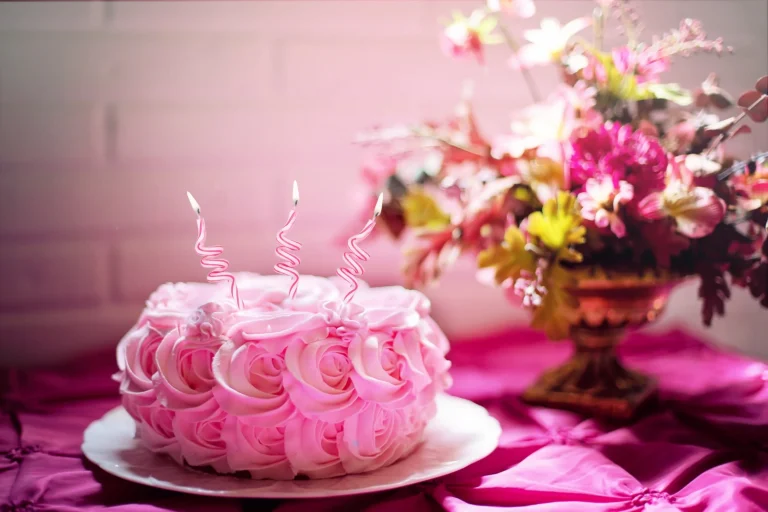
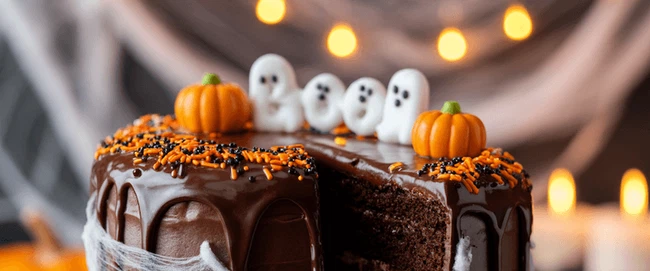
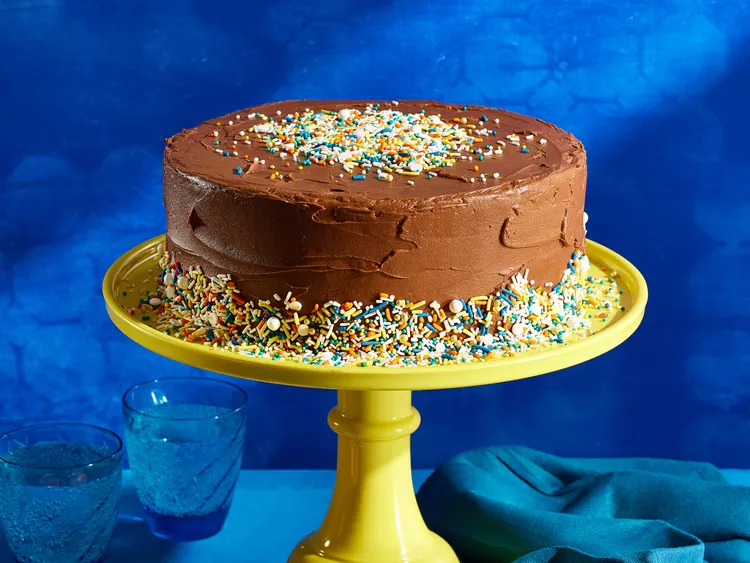
Decorations add another layer of artistry. From whipped cream swirls to fondant sculptures, cakes reflect creativity and personality. They can tell a story before a single bite is taken.
Sharing cake has always been an intimate act. Friends gather around it, families sing over it, and communities serve it as a gesture of kindness. Its role extends far beyond taste.
Even the smallest cake can lift spirits. A slice enjoyed alone with a cup of coffee carries the same quiet satisfaction as a large cake shared among many.
In the end, cake is more than dessert—it is tradition, memory, and artistry woven into one. Each slice holds a celebration, no matter the occasion.